Understanding Tobacco Grading: The Foundation of Premium Cigar Quality
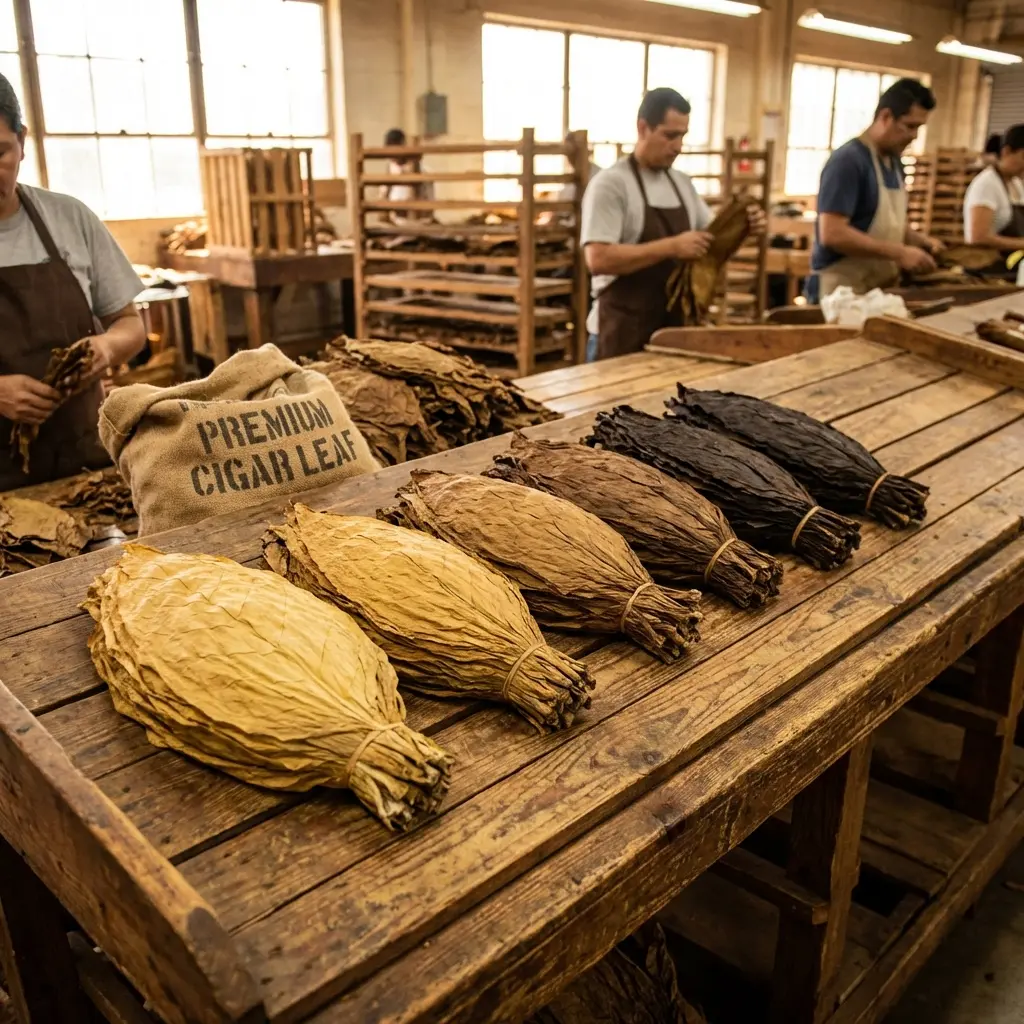
In the world of premium cigars, tobacco grading stands as the cornerstone of quality control—a meticulous process that separates exceptional cigars from mediocre ones.
What is Tobacco Grading?
Tobacco grading is the systematic classification of tobacco leaves based on their physical characteristics, quality attributes, and intended use in cigar production.
Did You Know? A single premium cigar can contain tobacco leaves from three different plant positions, two different countries, and up to five different grades.
The Three Components of a Cigar
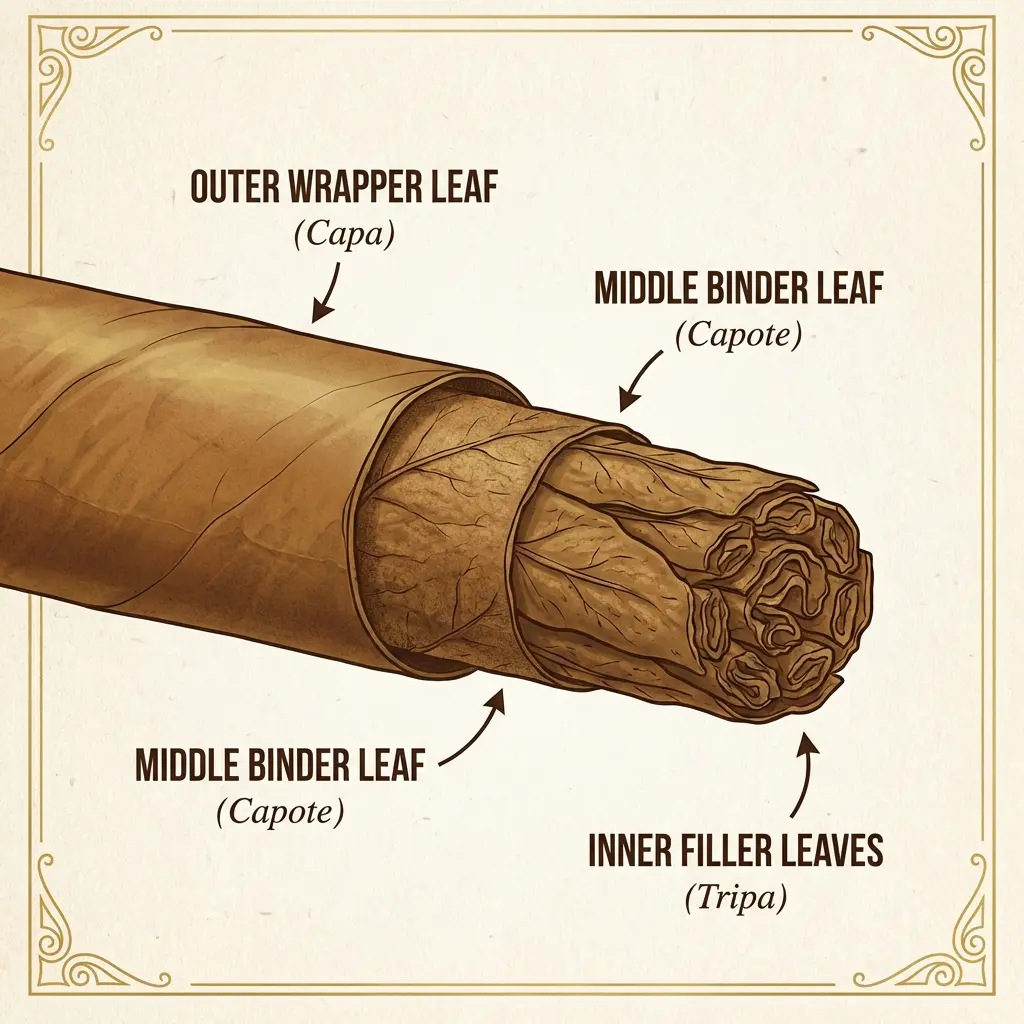
1. The Wrapper (Capa)
The wrapper is the outermost leaf and can contribute 30-60% of a cigar's total flavor profile.
2. The Binder (Capote)
The binder holds the filler tobacco together and maintains structural integrity.
3. The Filler (Tripa)
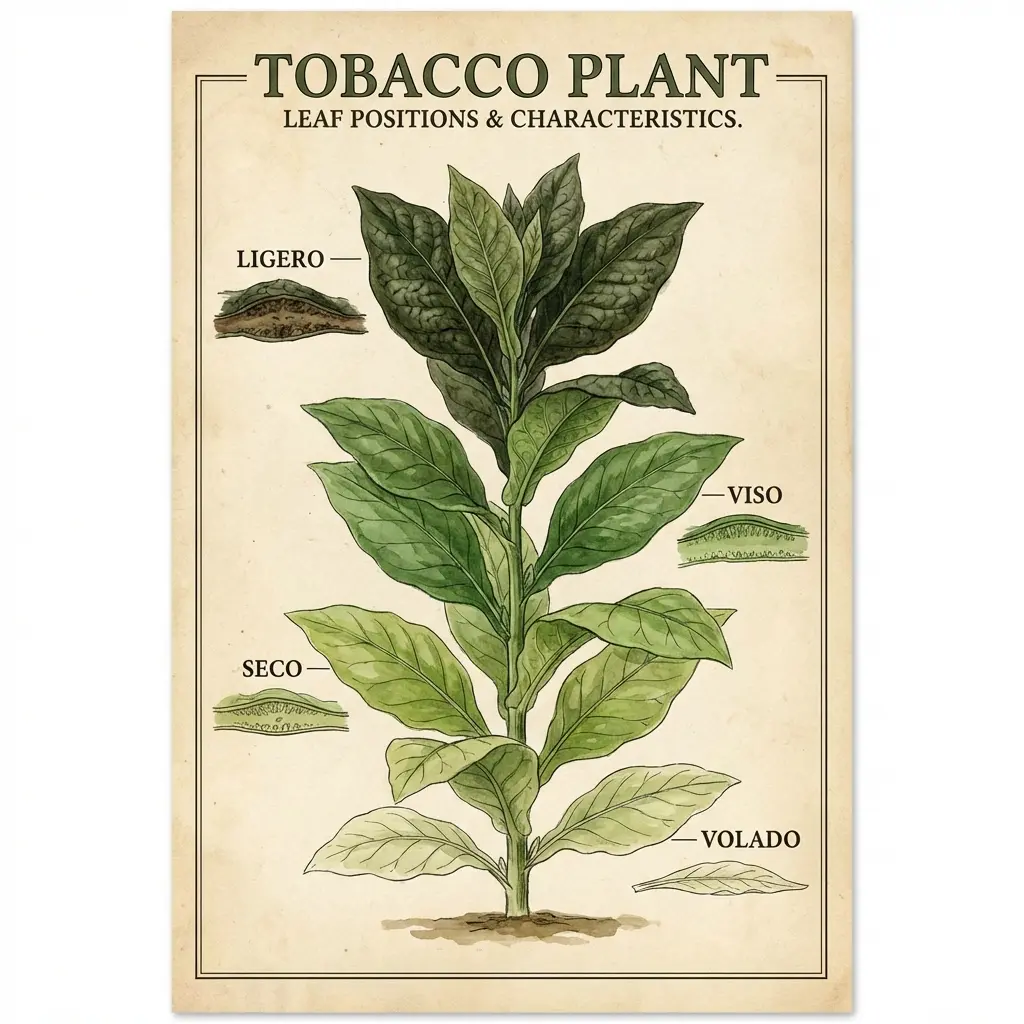
The filler comprises tobacco from different plant positions:
- Ligero: Top leaves - strongest flavor
- Viso: Middle leaves - balanced
- Seco: Lower leaves - subtle flavor
- Volado: Base leaves - aids combustion
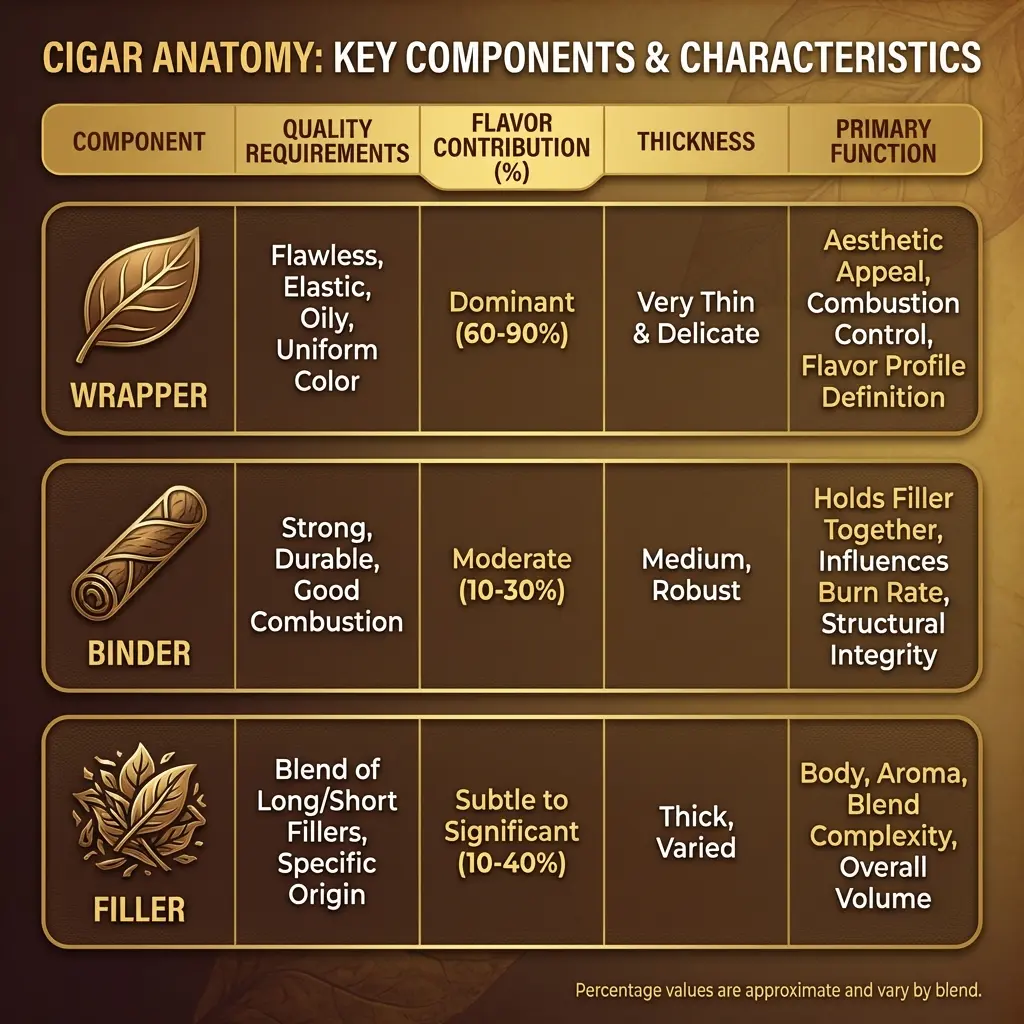
Why Tobacco Grading Matters
Understanding tobacco grading has profound practical implications for manufacturers, retailers, and consumers.
Conclusion
Tobacco grading is the foundation upon which the entire premium cigar industry is built. By understanding how leaves are classified, you gain insight into what makes a truly exceptional cigar.